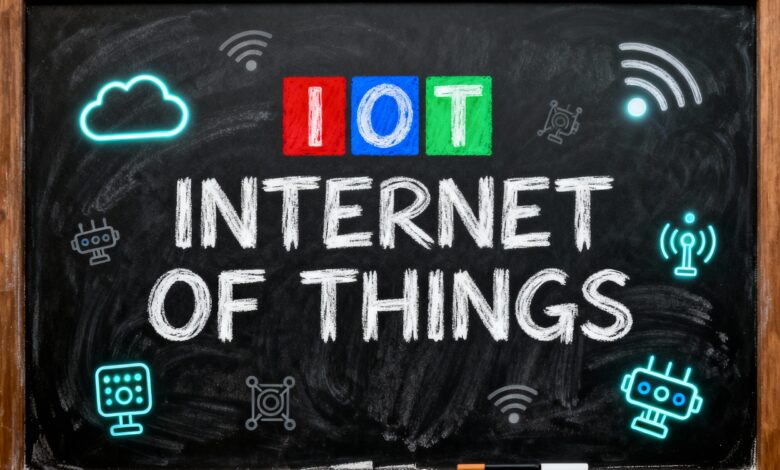
What Is IoT? A Simple Explanation
The Internet of Things (IoT) refers to a vast network of physical devices like smart home gadgets, wearable fitness trackers, industrial machines, or even vehicles that are embedded with sensors, software, and connectivity. These “smart objects” collect data from their surroundings and communicate it over the internet without human intervention. This connectivity enables remote monitoring, control, automation, and data analysis, transforming everyday objects into intelligent systems that improve efficiency and convenience.
For example, imagine your smart alarm clock waking you up, triggering the coffee maker to start brewing, and telling your smart refrigerator to order groceries all automatically. In smart cities, IoT devices monitor air quality, streetlight usage, and traffic flow to boost sustainability and safety. The possibilities of IoT are diverse and expanding rapidly.
How MQTT Works and Why It’s Popular in IoT
MQTT (Message Queuing Telemetry Transport) is a lightweight messaging protocol designed specifically for IoT systems where bandwidth and power are limited. It follows a “publish-subscribe” model where devices (publishers) send messages on topics that other devices (subscribers) receive. This decouples the sender and receiver, making communication efficient and scalable.
MQTT’s small packet size, low power consumption, and ability to handle intermittent connectivity make it ideal for IoT applications spanning home automation, industrial sensors, and beyond. Its simplicity has led to widespread adoption as a standard protocol in IoT ecosystems.
IoT Platforms and Security
IoT platforms are cloud-based or software suites that manage device connectivity, data processing, and application logic. They transform raw sensor data into useful insights and enable centralized control.
Security remains a key challenge in IoT because of the scale and diversity of connected devices. Manufacturers and users must implement measures like secure communication, authentication, and regular updates to protect IoT networks from vulnerabilities.
Real-World IoT Applications
IoT technology impacts many industries
- Healthcare: Remote patient monitoring with connected heart rate and glucose sensors.
- Agriculture: Soil moisture sensors automate irrigation, boosting crop yields.
- Manufacturing: Predictive maintenance via sensor data avoids unexpected machine failures.
- Retail: Smart shelves track inventory, reducing stockouts and waste.
Benefits of IoT
IoT brings transformative benefits
- Enhanced operational efficiency through automation.
- Real-time data enables better decision making.
- Improved safety and security in homes and workplaces.
- Cost savings by optimizing resource use and reducing manual work.
Challenges in IoT
Despite its promise, IoT faces challenges
- Connectivity gaps in remote or infrastructure poor areas.
- Privacy and security risks from mass device connectivity.
- Device diversity makes integration complex.
- Standardization is needed for scalability.
Future Trends in IoT
Look ahead to emerging IoT trends
- Edge computing brings faster processing closer to devices.
- AI integration makes smart automation smarter.
- 5G networks offer high speed, low latency connections.
- IoT’s role in smart cities and autonomous vehicles will expand rapidly.
Getting Started with IoT
For beginners eager to dive in
- Popular development boards include Raspberry Pi and ESP32.
- Cloud platforms like AWS IoT, Microsoft Azure IoT, and Google Cloud IoT offer comprehensive tools.
- Numerous online tutorials and courses help build foundational skills.
This is all about Understanding IoT, Thanks for reading.
Check out my other articles.